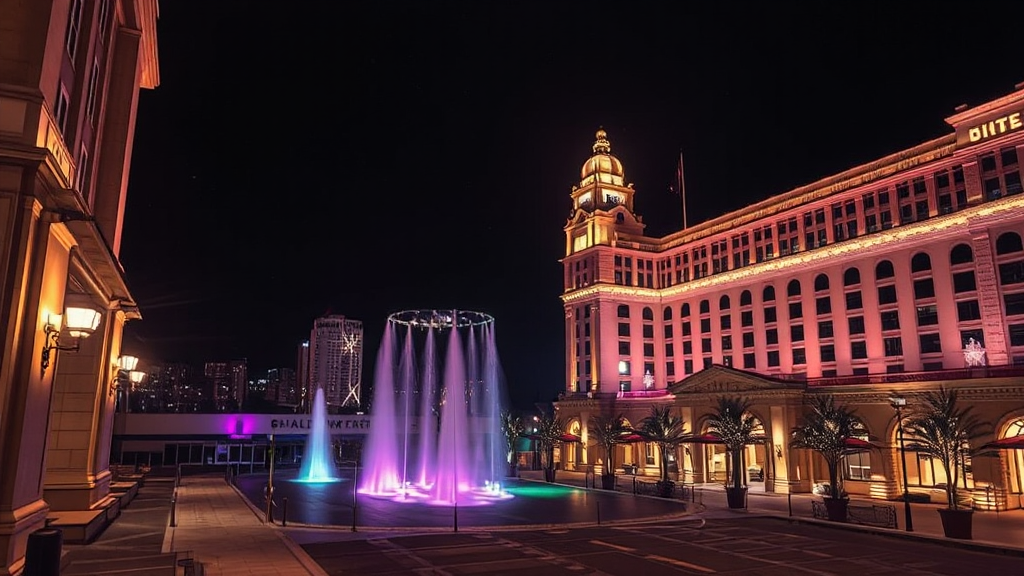
The Art of Timeless Hospitality: Lessons from Luxury Hotels
Hospitality is more than a service; it is an art form that transforms a simple stay into an unforgettable experience. In an era where travelers crave authenticity, comfort, and personalized attention, luxury hotels have mastered the delicate balance between tradition and innovation. Whether you are a seasoned hotelier or a curious traveler, understanding the principles that define exceptional hospitality can elevate your perspective. This article explores the core elements that make luxury hotels stand out, drawing inspiration from industry leaders like thebiltmorehotels, and offers actionable insights for creating memorable guest experiences.
The foundation of great hospitality lies in attention to detail. From the moment a guest steps into the lobby, every element—the scent, the lighting, the warmth of the greeting—sets the tone for their entire stay. Luxury hotels invest heavily in training their staff to anticipate needs before they are expressed, creating an atmosphere of effortless elegance. This level of service requires a deep understanding of human psychology, cultural nuances, and the subtle art of reading body language. When done right, guests feel valued, respected, and eager to return.
Another critical component is the physical environment. Architecture, interior design, and landscaping all contribute to the overall ambiance. A well-designed hotel tells a story, blending local heritage with modern comfort. For instance, properties that incorporate indigenous materials, artwork, and color palettes create a sense of place that resonates with travelers seeking authentic experiences. The goal is to make guests feel both grounded and transported, as if they have discovered a hidden gem that belongs to them alone.
Technology also plays a pivotal role in modern hospitality, but it must be implemented thoughtfully. While automated check-ins and smart room controls offer convenience, they should never replace human connection. The best hotels use technology to enhance, not replace, the personal touch. For example, a concierge app that suggests local restaurants based on past preferences can be a powerful tool, but a warm recommendation from a knowledgeable staff member still carries more weight. The key is to find a balance that respects tradition while embracing progress.
The Power of Personalization
Personalization is the holy grail of luxury hospitality. Guests no longer want a one-size-fits-all experience; they expect their preferences to be remembered and honored. This goes beyond remembering a guest’s name or preferred pillow type. It involves curating experiences that align with their interests, whether that means arranging a private art tour, booking a cooking class with a local chef, or simply having their favorite wine waiting in the room.
Data collection is essential for personalization, but it must be done ethically and transparently. Hotels that gather information through loyalty programs, booking history, and guest feedback can tailor their offerings without being intrusive. The best examples come from properties that use guest profiles to anticipate needs—such as knowing that a frequent traveler always requests a room on a high floor or prefers a specific type of tea. When executed well, personalization fosters loyalty and generates positive word-of-mouth.
Moreover, personalization extends to the entire guest journey, from pre-arrival communication to post-stay follow-ups. A thoughtful email before arrival, offering to arrange airport transfers or dinner reservations, shows that the hotel cares. Similarly, a follow-up message after checkout, thanking the guest and inviting feedback, reinforces the relationship. These small touches build trust and encourage repeat visits.
Creating a Sense of Place
One of the most compelling trends in luxury hospitality is the emphasis on “sense of place.” Travelers today seek immersive experiences that connect them to the local culture, history, and community. Hotels that succeed in this area do not simply provide a bed; they provide a gateway to discovery. This can be achieved through partnerships with local artisans, guided tours of hidden neighborhoods, or menus that highlight regional ingredients.
Architecture and design are powerful tools for creating a sense of place. A hotel that incorporates local building techniques, such as adobe walls in the Southwest or thatched roofs in the tropics, immediately grounds guests in their surroundings. Interior decor that features local textiles, pottery, or paintings further reinforces the connection. Even the choice of music in public spaces can evoke a sense of location—soft jazz in New Orleans, traditional sitar in India, or acoustic guitar in the Andes.
Culinary programs are another avenue for showcasing place. Farm-to-table dining, cooking classes, and chef’s tables that highlight local produce and recipes allow guests to taste the destination. Hotels that offer foraging excursions, wine tastings at nearby vineyards, or lessons in making regional specialties create lasting memories. These experiences not only delight guests but also support local economies and promote sustainable tourism.
The Role of Consistency
While personalization and sense of place are vital, consistency remains the backbone of luxury hospitality. Guests need to know what to expect, especially when visiting a chain or brand. Consistency does not mean uniformity; rather, it means delivering the same high standard of service, cleanliness, and comfort across all properties. This reliability builds trust and ensures that guests feel safe and cared for, no matter which location they choose.
Consistency is achieved through rigorous training, clear standards, and regular quality audits. Staff must be empowered to uphold these standards while also having the flexibility to handle unique situations. For example, a front desk agent should know the protocol for checking in a VIP guest but also feel confident to improvise if a guest arrives with an unexpected request. The best hotels strike a balance between guidelines and autonomy, allowing employees to shine.
Another aspect of consistency is maintaining the physical property. Luxury hotels invest heavily in upkeep, from polishing marble floors to refreshing linens. A single frayed carpet or chipped paint can undermine the entire experience. Preventive maintenance schedules, frequent inspections, and a culture of pride among staff ensure that the property always looks its best. Guests notice these details, even subconsciously, and they contribute to the overall perception of quality.
Sustainability and Ethical Practices
Modern travelers are increasingly conscious of their environmental and social impact. Luxury hotels that embrace sustainability not only appeal to eco-minded guests but also reduce operational costs and build long-term resilience. Sustainable practices can include energy-efficient lighting, water conservation systems, waste reduction programs, and sourcing local, organic products.
Beyond environmental initiatives, ethical practices extend to labor rights, community engagement, and cultural preservation. Hotels that pay fair wages, provide training and advancement opportunities, and support local charities earn the respect of both guests and employees. Some properties go further by creating foundations that fund education, healthcare, or conservation projects in their regions. These efforts demonstrate a commitment to more than just profit; they show a genuine desire to make a positive difference.
Transparency is key in sustainability. Guests want to know how their stay contributes to the greater good. Hotels can share their initiatives through in-room materials, website content, and social media. Certifications from organizations like Green Key or LEED add credibility. When guests see that a hotel is walking the talk, they are more likely to become loyal advocates.
Training and Empowering Staff
Behind every great hotel is a team of dedicated professionals. Training is the cornerstone of excellence, but it must go beyond technical skills. Staff should be trained in emotional intelligence, conflict resolution, and cultural sensitivity. They need to understand the brand’s values and be empowered to make decisions that enhance the guest experience.
Empowerment means giving employees the authority to solve problems without always seeking managerial approval. For example, a housekeeper who notices a guest’s favorite snack can leave a note offering to stock it for future stays. A bellman who overhears a guest mentioning a sore back can offer a heated blanket or suggest a spa appointment. These proactive gestures create delight and differentiate a hotel from its competitors.
Recognition and rewards are also crucial for staff retention. Hotels that celebrate achievements, provide career development opportunities, and foster a supportive culture attract top talent. Happy employees lead to happy guests, creating a virtuous cycle of excellence. Investing in staff is one of the most effective ways to ensure consistent, high-quality service over the long term.
FAQs
What defines a luxury hotel?
A luxury hotel is characterized by exceptional service, high-quality amenities, attention to detail, and a unique atmosphere. It often offers personalized experiences, fine dining, spa services, and a prime location. The focus is on creating an unforgettable stay that exceeds guest expectations.
How can small hotels compete with large chains?
Small hotels can compete by emphasizing their unique character, personalized service, and local connections. They can offer bespoke experiences that large chains cannot replicate, such as curated tours, family-style meals, and direct interaction with owners. Building a strong online presence and leveraging guest reviews also helps.
What are the latest trends in hotel design?
Current trends include biophilic design (integrating nature), flexible spaces that serve multiple functions, and the use of local materials and craftsmanship. There is also a move toward minimalist aesthetics with warm textures, and technology that blends seamlessly into the environment without being obtrusive.
How important is online reputation for hotels?
Online reputation is critical. Most travelers read reviews before booking, and a few negative comments can significantly impact bookings. Hotels must actively manage their online presence, respond to feedback promptly, and use insights to improve. A high rating on platforms like TripAdvisor or Google is a powerful marketing tool.
In conclusion, the art of timeless hospitality is a multifaceted discipline that combines tradition, innovation, and genuine care. By focusing on personalization, sense of place, consistency, sustainability, and staff empowerment, hotels can create experiences that resonate deeply with guests. Whether you are managing a boutique inn or a sprawling resort, these principles offer a roadmap to excellence. The next time you check into a luxury property, take a moment to appreciate the thought and effort behind every detail—it is a craft worth celebrating.